November 25, 2026
In today's economy, finding ways to save money is more important than ever, and one area where homeowners can significantly cut costs is through the use of water filtration systems. These systems not only enhance the quality and safety of your drinking water but also contribute to long-term financial savings. This article explores the various ways in which water filtration systems can be a cost-effective investment for households. Many homeowners underestimate the financial burdens associated with untreated tap water and how investing in a quality water filtration system can alleviate those costs. This comprehensive article aims to shed light on the multifaceted savings mechanisms linked to water filtration systems.
Reduction in Bottled Water Purchases
The financial burden of purchasing bottled water accumulates rapidly. A family of four could easily spend hundreds, if not thousands, of dollars annually on bottled water alone. By investing in a water filtration system, households can begin to enjoy the benefits of tap water that tastes just as good, if not better, than bottled options. The cost comparison reveals the dramatic difference between the two, with filtered tap water costing a tiny fraction of what bottled water costs. Long-term savings become evident when considering the significant cost difference over several years.
Additionally, reducing reliance on bottled water provides environmental cost benefits. The production and disposal of plastic bottles have a substantial environmental impact, contributing to pollution and energy consumption. Investing in a home filtration system decreases the demand for bottled water, thereby reducing the carbon footprint associated with its production and disposal. As more consumers opt for filtered tap water, they contribute to a broader effort of environmental conservation while reaping personal financial benefits. This decrease in environmental degradation also correlates with societal savings, as addressing environmental harm often results in significant costs.
Finally, filtered water often rivals or exceeds the quality of major bottled water brands. The convenience of having high-quality, filtered water directly from the tap cannot be understated. Households save additional expenses related to purchasing and transporting large quantities of bottled water from stores. In real-world scenarios, filtered tap water reduces the frequency of shopping trips taken solely for water, which also saves on fuel costs. This amalgamation of savings makes a compelling case for transitioning from bottled to filtered water.
Decreased Plumbing Repairs and Maintenance Costs
Hard water can wreak havoc on household plumbing systems, leading to significant repair costs. Mineral deposits from hard water can accumulate in pipes, causing blockages and reducing water pressure. This can eventually lead to pipe bursts and leaks, necessitating expensive repairs. A water filtration system can mitigate these issues by filtering out the minerals that cause hard water damage. By preventing such damage, homeowners can avoid the costly repairs associated with mineral build-up in plumbing systems.
Water filtration systems also extend the lifespan of household appliances. When washers and dishwashers use hard water, they often require more detergent to clean effectively, leading to soap build-up that can reduce appliance efficiency. Over time, this results in more frequent maintenance and repair needs, adding to household expenses. Filtration systems help ensure that these appliances operate more efficiently and last longer by removing minerals before they can cause damage. The extended lifespan reduces the need for appliance replacement and thus contributes to further financial savings.
In the context of professional plumbing services, filtration systems can lead to significant savings. With fewer pipe clogs and leaks, the need for emergency plumbing interventions diminishes. Predictable maintenance through filtration systems is more manageable and less expensive compared to the unpredictable costs of serious plumbing repairs. With approximately 21.7 million U.S. households relying on septic systems, avoiding plumbing disasters is crucial, especially for those households maintaining water-intensive septic systems. Filtration systems provide a buffer against the unexpected repair costs that can strain household budgets.
Extended Lifespan of Appliances
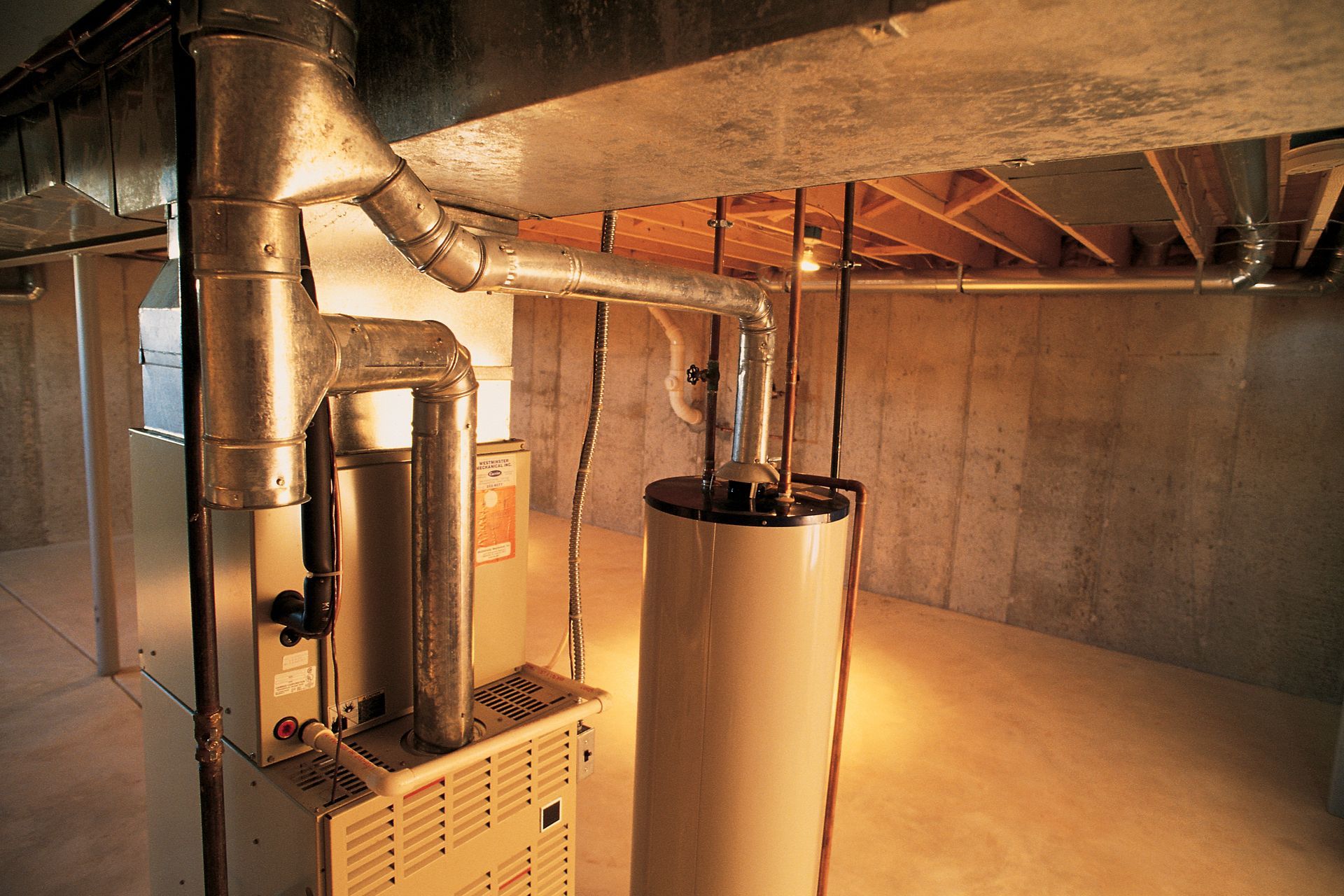
The presence of minerals in unfiltered water can drastically reduce the lifespan of water heaters. Mineral deposits can form within the heating elements and tanks, leading to inefficiencies and eventual system failures. Investing in a water filtration system that tackles hardness can prevent such issues. In doing so, homeowners can forestall the need for premature water heater replacements, which can be a significant household expense. Protecting water heaters from mineral-related damage ensures efficient heating and long-term cost benefits.
Washing machines also see improved performance and longevity with filtered water. Hard water mineral deposits can line the internal components of washing machines, leading to increased energy usage and decreased cleaning effectiveness. In tackling these mineral deposits, water filtration systems help washing machines operate at optimal efficiency for longer periods. This not only prolongs the appliance's lifespan but also reduces the frequency of costly repairs and parts replacements. Homeowners can thus enjoy long-term savings on maintenance and energy costs.
Dishwashers similarly benefit from filtration systems which protect them from mineral build-up. Bottlenecked spray arms and mineral encrusted heating elements result from mineral-heavy water use. A filtration system prevents these issues by ensuring that only clean, soft water enters the appliance. This not only ensures optimal cleaning results but also significantly extends the appliance's operational life. Apart from reducing repair and replacement expenses, filtering water also offers utility savings and improved appliance performance.
Healthcare Savings through Improved Water Quality
Water quality directly impacts household health, and poor water quality can lead to serious health issues. Waterborne illnesses are a frequent concern for households relying on unfiltered water sources. By improving water quality, filtration systems reduce the risk of contaminated water reaching family members. As a result, households using filtration systems often experience fewer incidences of illnesses related to contaminated water. These benefits translate into reduced healthcare costs, contributing to the overall financial savings made possible by filtration systems.
Avoiding exposure to harmful contaminants is another crucial benefit of high-quality water filtration systems. Municipal water supplies, although generally safe, may sometimes contain contaminants such as lead, chlorine, and organic pollutants. Filtration systems act as an additional safety barrier, removing unwanted substances that may slip through municipal treatment processes. Moreover, the presence of a filtration system reassures households about the health of their water, which is particularly significant for families with young children. Preventative measures reduce potential exposure-related health issues and their associated medical costs.
The long-term health benefits of consuming filtered water have significant cost-saving implications. A decrease in waterborne illnesses and improved overall health reduces the need for frequent healthcare appointments and pharmaceutical expenses. This scenario represents a situation where considering the long-term outlook on health and finances, a water filtration system becomes an essential asset. Additionally, the improved development outcomes for children growing up on cleaner water present societal advantages. By prioritizing health improvements through optimized water quality, households can observe substantial financial benefits over time.
Investing in a water filtration system is a smart financial decision that offers a myriad of benefits beyond just providing clean water. From significant savings on bottled water and reducing maintenance costs to improving health and increasing your home's value, a filtration system is an investment in your financial future. Adopting this technology can lead to substantial cost savings while enhancing the quality of life for you and your family. Additionally, as societal preferences and environmental considerations evolve, having a water filtration system elevates the stature of any home in the market. Considering the expansive benefits outlined, securing access to cleaner water is undeniably a worthwhile investment. According to the Environment Protection Agency, Approximately 21.7 million U.S. households utilize septic tanks or cesspools for wastewater treatment, accounting for about 18% of all households. This is nearly one-fifth of the nation's total households. Be sure to reach out to Pure Flo H2O LLC today to learn more about our professional water filtration systems!