October 19, 2026
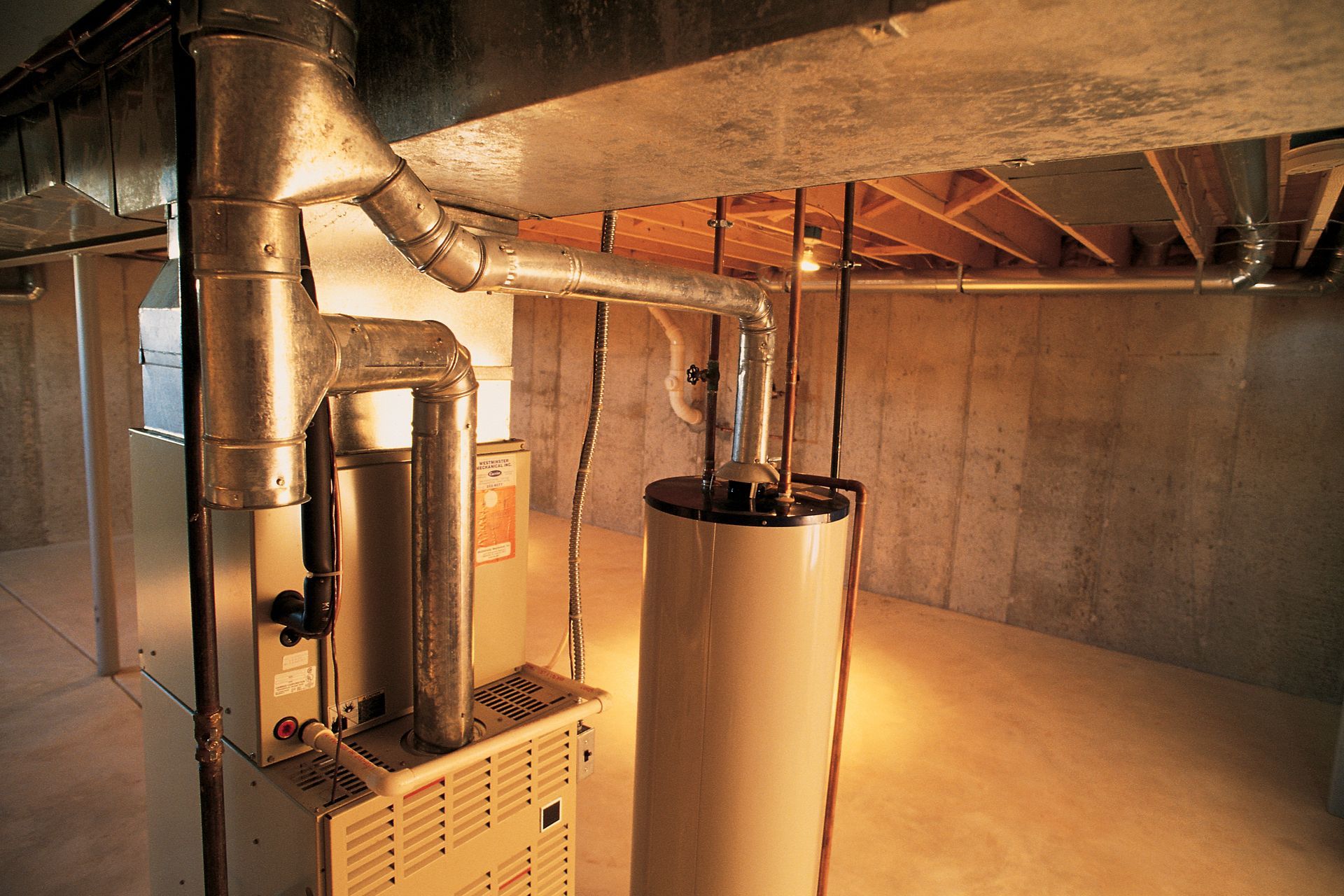
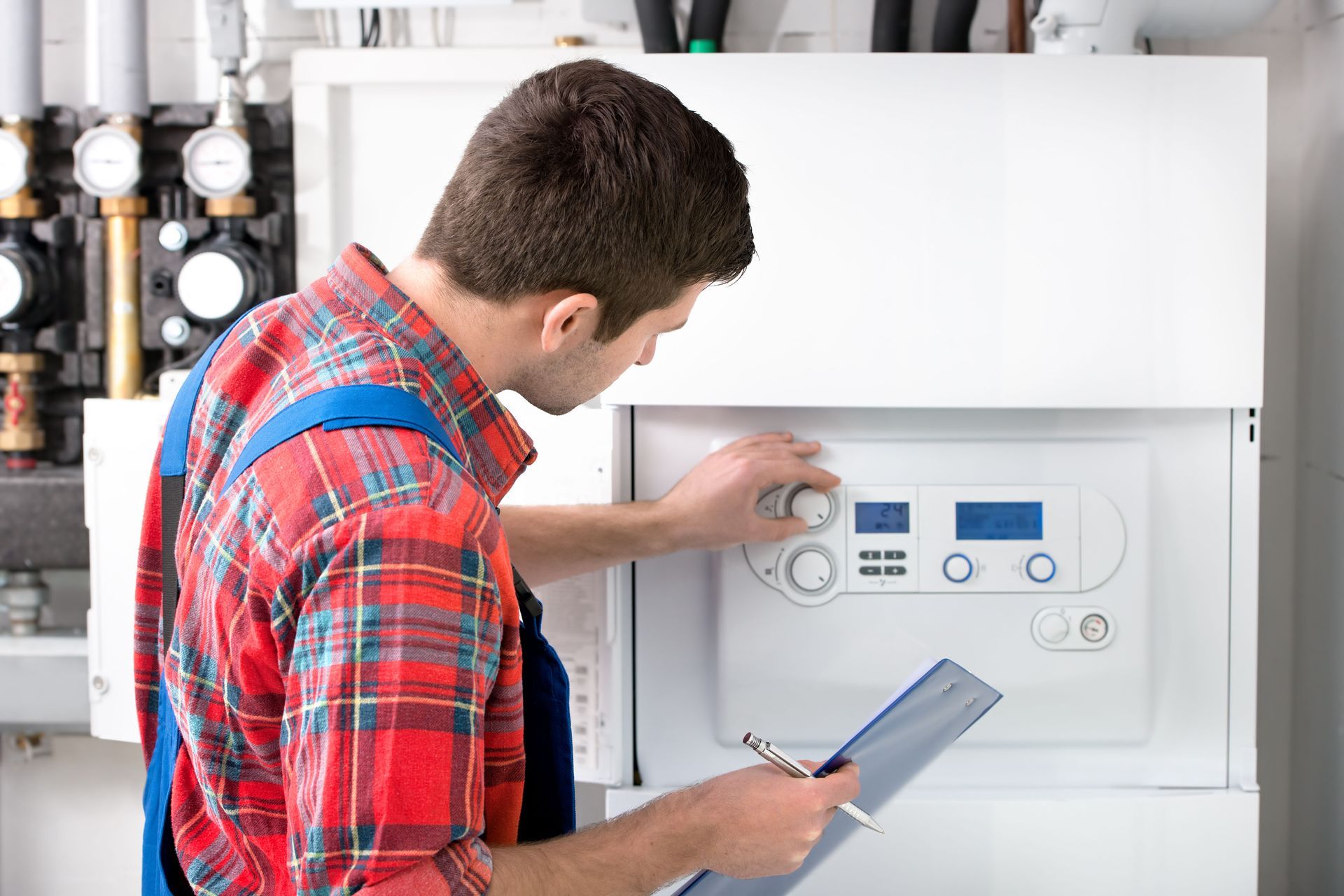
Water heaters are essential household appliances, providing hot water for various daily activities. However, like any device, they can face issues that require immediate attention. Ignoring these signs could lead to extensive damage and costly replacements. This article outlines the key indicators that you need prompt water heater repairs. Recognizing these signs early can save you from unnecessary stress and potential hazards.
1. Lack of Hot Water
Experiencing a lack of hot water is often the most noticeable sign that something is amiss with your water heater. This issue can manifest as the water turning cold much quicker than usual, which might suggest a problem with the heating elements. Water heaters are designed to provide a consistent supply of hot water, and when they fail to do so, it indicates a need for immediate attention. Many homeowners overlook these early signs, but promptly addressing them can prevent further complications. If hot water consistently runs out before you finish your shower, it may be time for a professional inspection.
Completely cold water is a more severe manifestation of the problem and typically indicates a complete failure of the heating system within the unit. There can be multiple reasons for this, including a malfunctioning thermostat or a broken heating element. Sometimes the pilot light in gas water heaters may go out, leaving you with no hot water at all. Ensuring the pilot light is functioning properly might resolve the issue, but if not, professional evaluation is needed. Allowing this problem to persist could lead to further damage and potentially necessitate a full replacement.
Water temperature fluctuations are another concerning sign that your water heater is struggling to maintain a consistent temperature. These fluctuations could be due to mineral buildup within the tank, affecting the heating system. Sometimes, the problem may stem from an aging appliance, nearing the end of its service life. According to HomeGuide, water heaters should be replaced once they exceed 10 years of age or when repair costs surpass half the cost of a new unit. Addressing these fluctuations early can prevent a sudden loss of hot water when it's most inconvenient.
2. Noisy Operation
A well-functioning water heater should operate quietly, so any unusual noises can be a potential cause for concern. Popping sounds, for instance, can indicate sediment buildup at the bottom of the tank. This sediment, often composed of sand, rust, or hard minerals, can complicate your water heater's ability to heat water efficiently. Not only does it affect performance, but it can also lead to persistent damage over time. Regularly flushing your water heater can prevent sediment accumulation, thus minimizing the risk of these popping sounds.
Rumbling noises are another common indication that sediment is causing issues within your heater. As the sediment is heated and reheated, it hardens and moves around the tank, creating these loud rumbling sounds. It's essential to address this promptly, as the hardened sediment can damage the tank's interior. This may eventually lead to leaks or system failure, necessitating costly repairs or replacements. Routine maintenance is critical in preventing these issues, ensuring the long-term effectiveness of your water heater.
Crackling or hissing sounds, akin to the noises of a kettle boiling, often emerge due to steam bubbles escaping through the sediment. This can be particularly pronounced if the water heater hasn't been maintained regularly. The potential causes of noise, including mineral accumulation and overheating components, should be systematically inspected. Neglecting these signs can result in significant energy inefficiencies. Therefore, addressing these sounds promptly will ensure optimal appliance performance and avoid further complications.
3. Leaks Around the Tank
Leaks around the water heater tank are often among the most apparent signs that something is amiss. Visible pools of water surrounding the unit are worrying indications of a significant issue that needs immediate attention. Ignoring these signs could lead to severe water damage within the home, affecting walls, flooring, and belongings. The appearance of these leaks often suggests that the interior of the tank has been compromised. Fast action is crucial to preventing additional water damage and ensuring the unit's longevity.
In some instances, moisture may not pool visibly, but the surface of the tank can appear moist or damp. This condition can arise from condensation, leaks, or fractures in the tank's structure, each requiring a different approach. Identifying the exact location and cause of the moisture is essential for determining the appropriate repair strategy. Any signs of corrosion or rust indicate that the tank's structural integrity is at risk, potentially leading to more serious issues. Professional assistance can help isolate the problem and recommend the best repair or replacement options.
4. Discolored or Rusty Water
Discolored or rusty water is an unsettling sign that your water heater may be deteriorating from the inside. If the water flowing from your taps has a brownish or reddish tinge, it could mean that the tank or its internal components are rusting. Rusty water is not only aesthetically unpleasant but can also pose potential health risks if left unaddressed. While iron content in the water supply can sometimes cause similar discoloration, distinguishing between external factors and internal damage is vital. Regularly inspecting and replacing the anode rod, which prevents rust formation, can extend the tank's lifespan.
Health risks associated with rusty water should not be underestimated, as consuming or using contaminated water can have adverse effects. The anode rod inside the water heater usually deteriorates over time, which leads to increased rust and corrosion. Identifying whether the discoloration is due to the anode rod or the tank itself is crucial before deciding on repairs or replacements. Testing the water for rust content can also provide clarity, ensuring that corrective measures are effective. If left unresolved, the increasing corrosion may eventually require costly repairs or the installation of a new water heater.
An excess iron content in the water supply can sometimes be mistaken for internal rust issues, further complicating diagnosis. Routine examination of the water heater can help determine whether internal components are at fault. Testing kits are available to ascertain whether iron from external sources or tank deterioration is causing the discoloration. Understanding these distinctions can help guide homeowners toward appropriate solutions. Regular maintenance and inspections are key to preventing discolored water and extending your water heater's service life.
5. Foul Odors
Foul odors emanating from your water supply are often indicative of underlying issues within the water heater. A rotten egg smell is particularly common, usually resulting from bacterial growth within the tank. The bacteria interact with the anode rod, producing hydrogen sulfide gas responsible for this distinctive odor. Addressing this issue promptly can prevent it from escalating into more severe conditions. Homeowners can implement various solutions, including flushing the tank and replacing the anode rod with a zinc-aluminum option.
Causes of odorous water can vary, ranging from chemical reactions inside the tank to external water supply issues. Understanding the root cause is crucial for applying appropriate corrective actions. Bacterial growth may necessitate treatments like peroxide flushing to eradicate the source of the odor. Consulting professionals is advisable to ensure the safety and efficiency of any home remedy or intervention. Proactively monitoring the tank for unusual smells can help maintain water quality and prevent unpleasant surprises for household members.
Recognizing and addressing the signs that your water heater needs repairs can save you from unnecessary expenses and inconvenience. Regular maintenance and timely intervention are crucial for prolonging the life of your water heater and ensuring a consistent supply of hot water. If you notice any of these signs, consider consulting a professional to diagnose and rectify the issues promptly. Taking the time to address these problems immediately will help maintain the efficiency of your water heater and prevent further complications. Investing in preventive care now from Pure Flo H2O LLC will ensure long-term comfort and functionality for your home. Reach out our team today to learn more!