July 2, 2026
Access to clean drinking water is a fundamental human need and a cornerstone of good health. With increasing pollution levels and aging infrastructure, ensuring safe water quality is becoming a significant concern. A high-quality water filtration system is vital in protecting against harmful contaminants and providing safe drinking water to households and businesses alike. This comprehensive guide serves to assist individuals in understanding the various types of treatment options available and selecting one that meets their unique needs. By exploring different configurations and assessing specific circumstances, readers can make informed decisions that will benefit their health and wellbeing in the long run.
Understanding Different Technologies
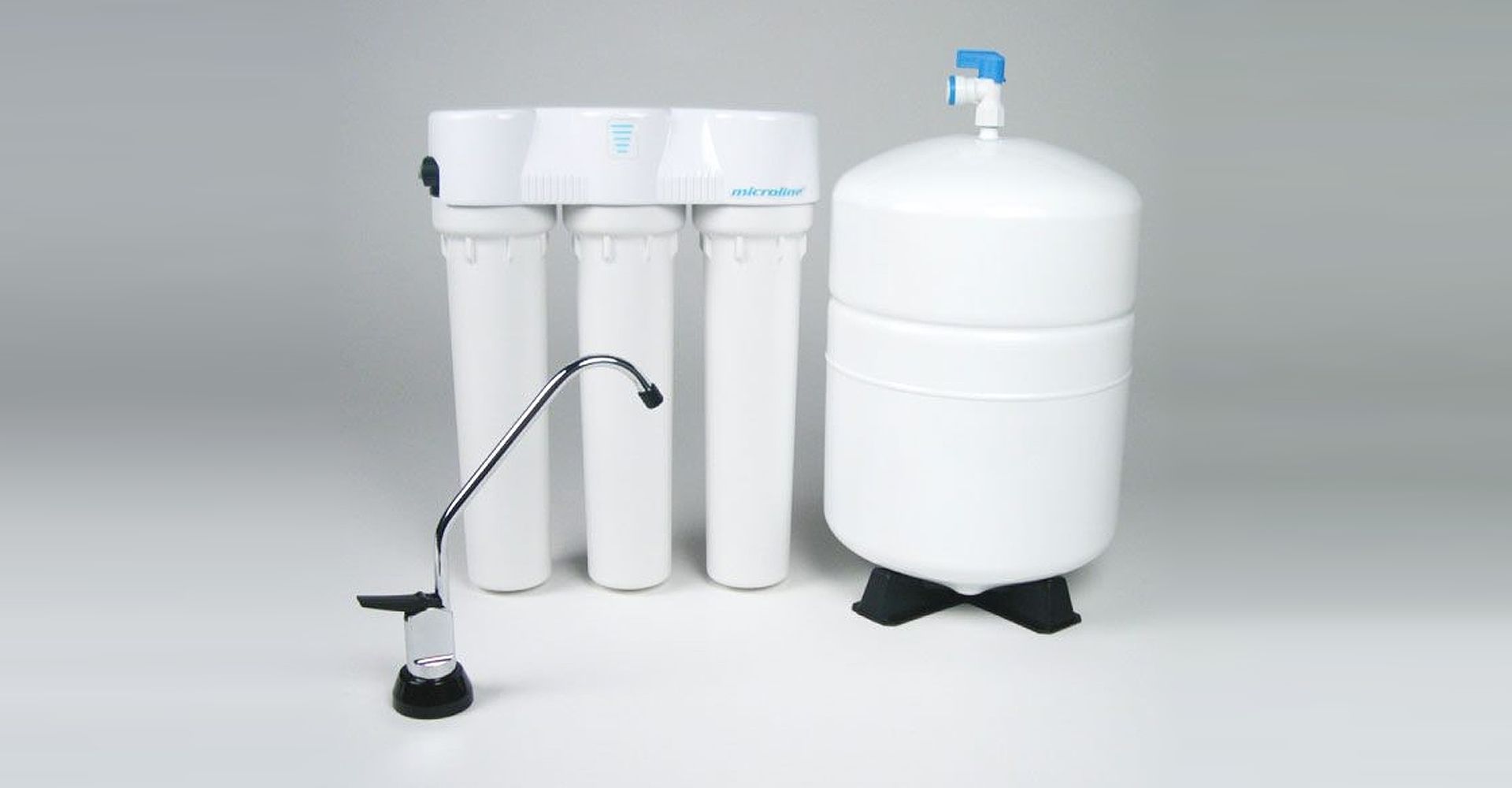
Reverse osmosis systems are highly effective at removing a wide range of contaminants from water, including heavy metals, parasites, and chemical pollutants. By using a semi-permeable membrane, these systems filter out impurities and produce virtually pure water. This method is prevalent in both residential and commercial settings due to its comprehensive treatment capabilities. Despite the initial costs, their long-term benefits often justify the investment for health-conscious consumers. However, users must also consider the waste production, as reverse osmosis setups tend to produce more wastewater compared to alternative options.
Activated carbon filters are commonly used for their efficiency in removing organic compounds and improving the taste and odor of drinking water. These filters are made from small pieces of carbon, typically in granular or block form, that have been treated to be extremely porous. The large surface area allows activated carbon to effectively trap contaminants and chlorine, making it a favored choice for municipal tap treatment. While not as comprehensive as reverse osmosis, activated carbon units are relatively low-cost and easy to maintain. They are an excellent option for individuals looking to enhance taste and remove odors without extensive purification needs.
Other methods include ultraviolet (UV) disinfection, ceramic filtration, and distillation systems. UV units employ ultraviolet light to deactivate bacteria, viruses, and other pathogens without chemicals, though they do not remove chemical pollutants. Ceramic filters physically block microorganisms through tiny pores, making them durable and affordable for rural areas. Distillation systems purify water by boiling and condensing it, which removes a wide array of impurities but can be energy-intensive. Combining multiple technologies often yields the best results for residential use.
Assessing Domestic Supply Quality
Understanding the quality of your local supply begins with proper testing to identify any specific contaminants present. Utilizing certified water testing kits or professional laboratory services can provide accurate results tailored to your unique local conditions. Detecting what pollutants, heavy metals, or microorganisms are present will guide you in selecting an appropriate water filtration system. The results will indicate whether your water has common issues such as hard minerals, excess chlorine, or biological hazards, ensuring your investment directly addresses your actual household problems.
Once testing is complete, analyzing the results allows you to identify specific issues and contrast them against your household health requirements. Families with young children, elderly relatives, or individuals with compromised immune systems may require much more stringent purification standards. Likewise, individuals with specific sensitivities benefit from targeted contaminant removal. Evaluating these family health dynamics ensures that you select an option that properly safeguards your household's long-term well-being.
Budgeting for short-term and long-term costs is the final step in evaluating your domestic needs. While upfront investments vary depending on the equipment type and brand, a home water filtration system provides significant long-term savings over purchasing bottled water. Additionally, regular maintenance expenses, such as routine filter replacements, must be factored into the total cost of ownership. A comprehensive financial plan ensures that the chosen setup remains a feasible, practical, and highly economical solution over time.
Evaluating Equipment Performance Standards
When assessing any residential water filtration system, contaminant removal efficiency is a critical performance metric. Different technologies offer varying levels of reduction capabilities for specific pollutants, and well-researched equipment comes with detailed documentation. This evaluation should be supported by industry certifications, such as NSF International and ANSI standards, which provide objective, third-party assurance of performance claims and verify that the product safely delivers clean drinking water.
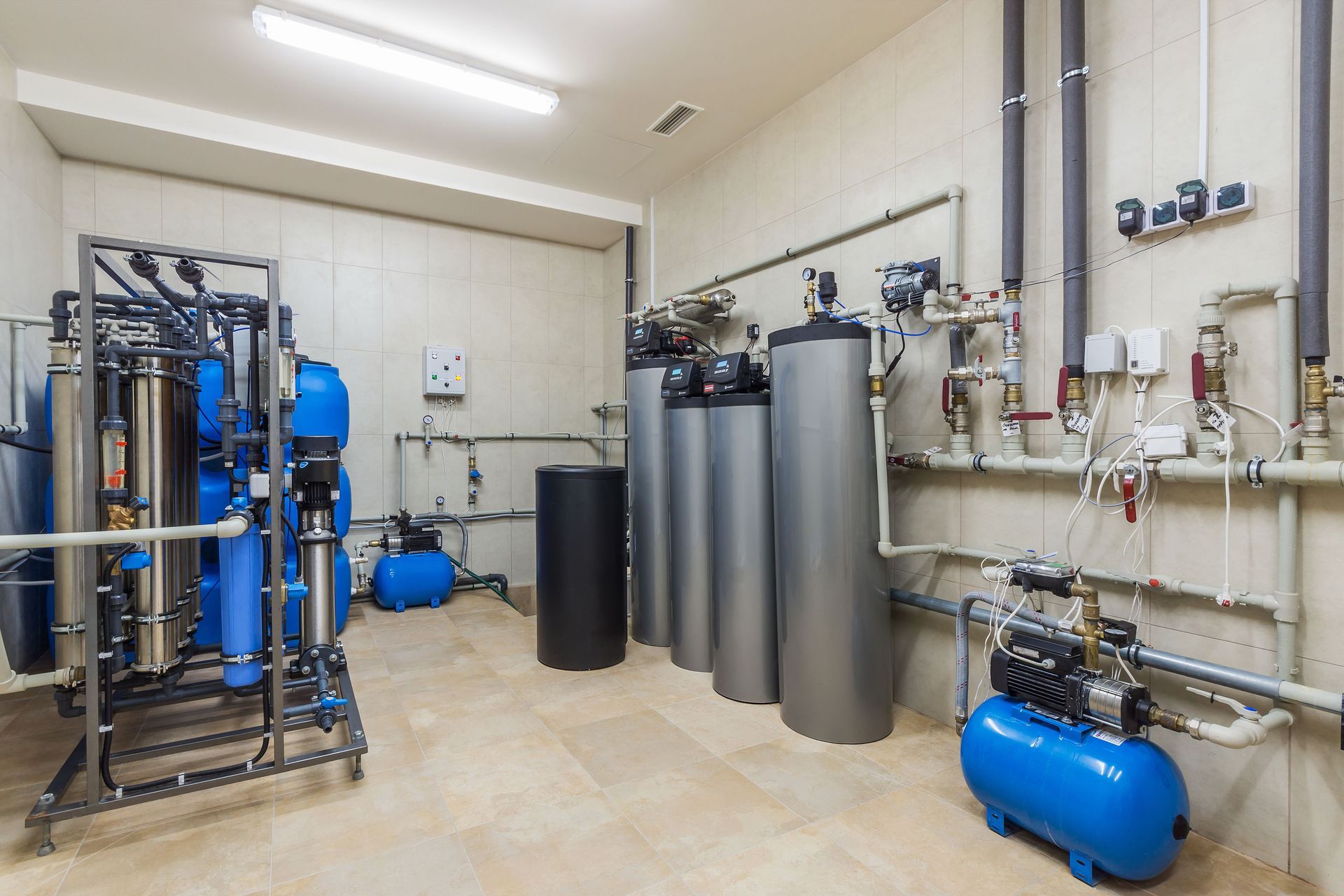
The operational flow rate determines how quickly purified water is produced and made available for daily consumption. A system's flow rate should align with the peak usage demands of the household to avoid frustrating drops in water pressure or delivery delays. High-demand environments, like larger households or commercial settings, require robust setups supporting greater gallons-per-minute delivery. Conversely, a slower flow rate may suffice in smaller homes or apartments where simultaneous water use is minimal.
System longevity and operational review data offer insights into real-world durability and maintenance needs. Reliable equipment that requires minimal maintenance and possesses a longer lifespan offers much better long-term value for homeowners. Reading verified consumer experiences provides invaluable data regarding ease of use, component durability, and operational noise. Reviewing technical specifications alongside consumer feedback aids in refining choices to identify options that best meet household expectations.
Installing and Maintaining Equipment
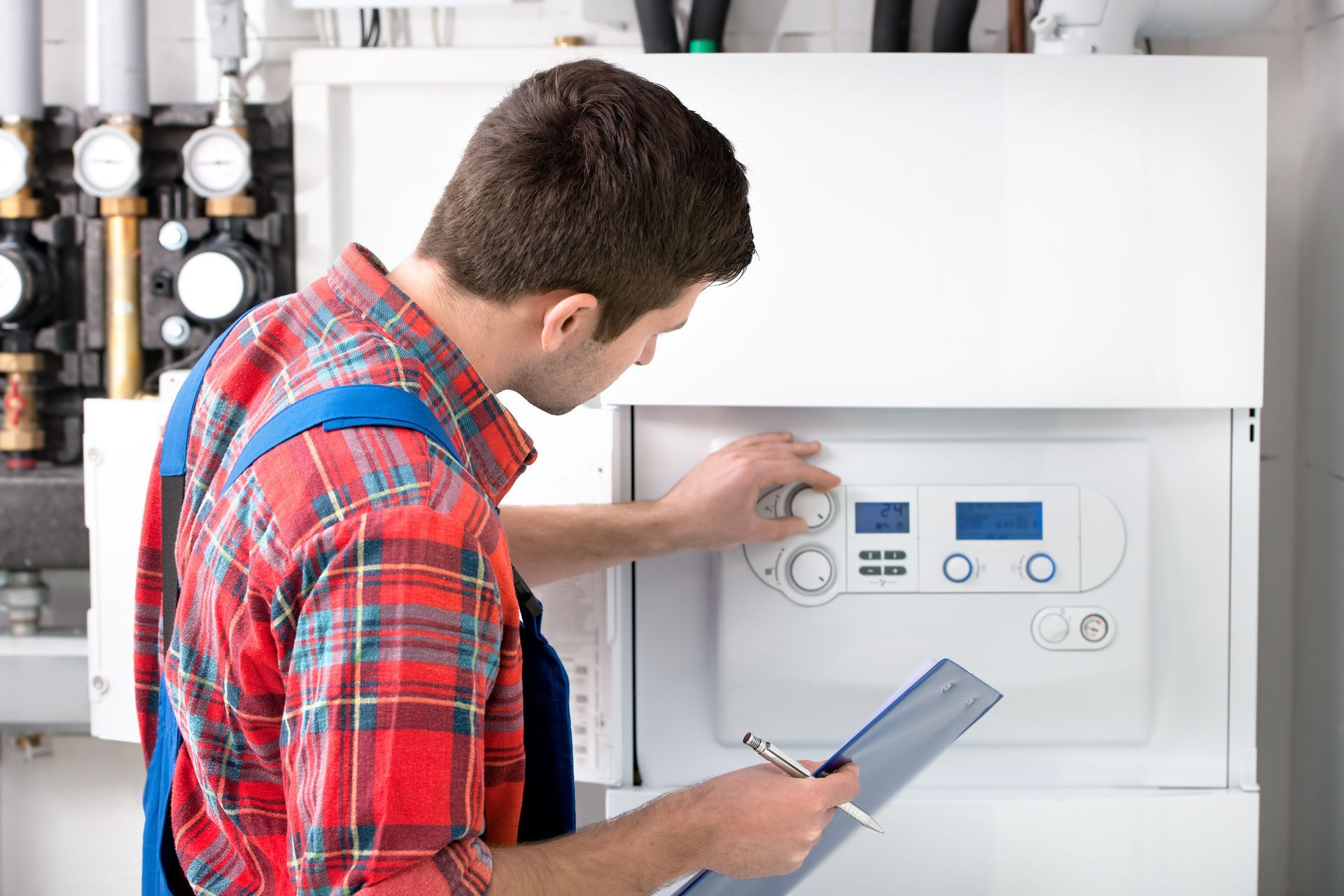
The decision between professional plumbing installation and DIY setup hinges on system complexity, personal plumbing comfort, and budget preferences. Professional installation ensures correct placement and prevents leaks, especially for complex under-sink or whole-house setups requiring main line modifications. However, simpler countertop models or inline pitcher systems often allow for easy DIY setup, saving money on plumbing fees. Carefully assessing the required tools and physical layout helps determine the safest path forward.
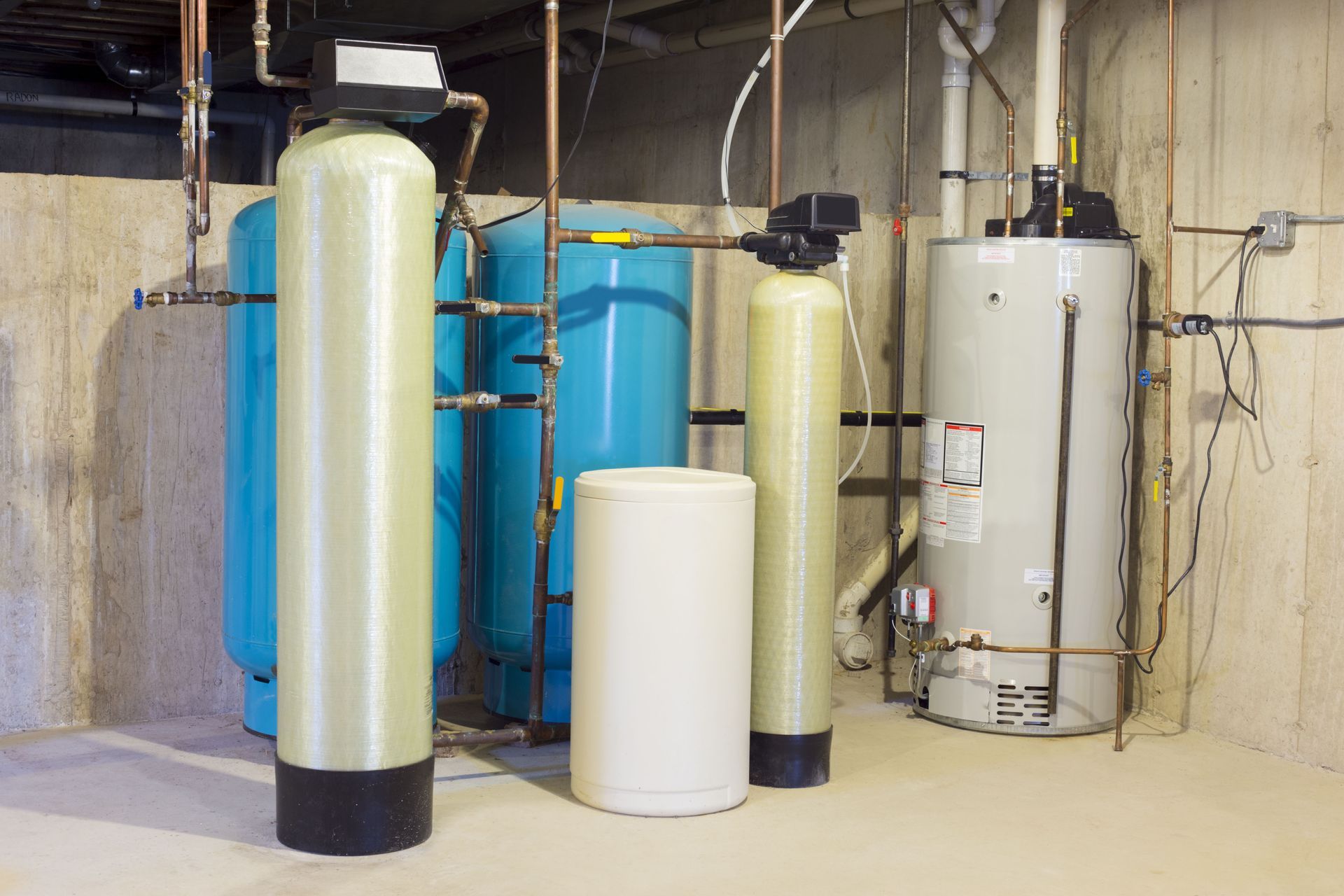
Assessing physical space and plumbing infrastructure is essential to determine the feasibility of installing a chosen filtration system. Under-the-counter options require adequate clearance and direct connection to cold water lines, while standalone or whole-house units must accommodate available real estate near the main water shut-off valve. Evaluating these spatial conditions early prevents structural disruptions and ensures easy access for routine filter changes and unexpected maintenance needs.
Routine maintenance and the ongoing cost of replacement parts play a major role in the long-term viability of your treatment equipment. Knowing component lifespans empowers consumers to adhere to manufacturer replacement schedules, preventing filter degradation from compromising water quality. When replacement cartridges and specialized membranes are affordable and readily available, maintaining optimal water purity is simple. Validating the manufacturer's warranty and customer support options further secures your investment against unexpected mechanical failures.
Analyzing Environmental and Economic Impacts
Assessing energy consumption and waste production is key to identifying eco-friendly water filtration system options. Systems requiring constant electricity, like distillation units or certain high-output reverse osmosis pumps, should be evaluated for their energy demands. Furthermore, understanding the wastewater ratios of reverse osmosis models ensures responsible resource management. Choosing highly efficient equipment minimizes utility bills and reduces your household carbon footprint, aligning perfectly with modern sustainable living practices.
According to Precedence Research, the pool water treatment chemicals market is expanding due to increased health and safety awareness, and the market is growing at a remarkable CAGR during the forecast period from 2024 to 2034. This broader industry growth highlights a surging global focus on water safety and chemical responsibility. On a residential scale, utilizing home purification units reduces reliance on disposable plastic bottles, significantly lowering the consumer waste sent to local landfills and minimizing the environmental pollution associated with plastic manufacturing and transit logistics.
Finalizing a purchase involves cross-referencing your feature checklist with industry-endorsed recommendations. Developing a clear checklist of desired attributes helps prioritize essential performance metrics over unnecessary add-ons. By consulting with treatment experts and exploring esteemed industry recommendations, you can select a proven, highly reliable water filtration system that perfectly balances household demands, environmental priorities, and long-term economic value. For more information about the services that we offer, reach out to our incredible team at Pure Flo H2O LLC today!